Quick Answer
Life after cancer treatment does not always feel the way people expect it to. Even when treatment is progressing well or has ended, fear, uncertainty, heightened awareness of physical sensations, and difficulty imagining life beyond cancer can remain. Sarah’s work offers an additional energetic perspective: she views the body as a source of information and explores what it may still be communicating through patterns that feel unresolved.
Cancer Can Change Your Relationship With Your Body
A cancer diagnosis can change the way you experience your body.
Sensations that once seemed insignificant may suddenly carry more weight. An ache can raise a question. Fatigue may make you wonder whether something has changed. As a scan approaches, you might find yourself paying closer attention to every physical sensation.
These reactions can make sense in the context of what you have experienced. Cancer brings not only treatment but also waiting, uncertainty, difficult decisions, changing routines, and periods when your body may no longer feel as predictable as it once did.
Then there is another transition that receives less attention: what happens when the immediate intensity begins to change.
Treatment may be working. You may receive reassuring news. Appointments may become less frequent. People around you may expect life to start returning to normal.
Yet you may not feel entirely like yourself.
For some people, life after cancer treatment brings an unexpected question: If things are moving in the right direction, why do I still feel stuck?
Why Can You Still Feel Stuck After Cancer Treatment?
There is no single explanation.
Cancer and its treatment can affect physical health, sleep, energy, emotions, relationships, work, and daily routines. Anxiety, depression, treatment side effects, fatigue, fear of recurrence, and other medical or psychological concerns can also influence how someone feels during recovery.
Persistent or changing symptoms should always be discussed with the appropriate healthcare professionals.
Sarah’s work does not attempt to replace those conversations.
Her approach begins with an additional question for people who are interested in exploring another dimension of their experience:
What might my body still be communicating?
Sarah views the body not simply as something to fix, but also as a source of information. Within her energetic framework, recurring responses can point toward hidden patterns that may be creating interference in the system, even when a person consciously understands that their circumstances have changed.
The Lascano Method™ is designed to complement, not replace, appropriate medical and psychological care.
Fear Can Remain Even When the Situation Changes
One of the complexities of cancer recovery is that circumstances and internal responses do not necessarily change at the same pace.
Imagine receiving reassuring results after months of uncertainty.
You understand the results. You feel grateful. You may even tell yourself that you should finally be able to relax.
Then the next follow-up appointment approaches, and the fear returns.
You begin noticing physical sensations more closely. Sleep becomes harder. Your attention shifts toward what the scan might show.
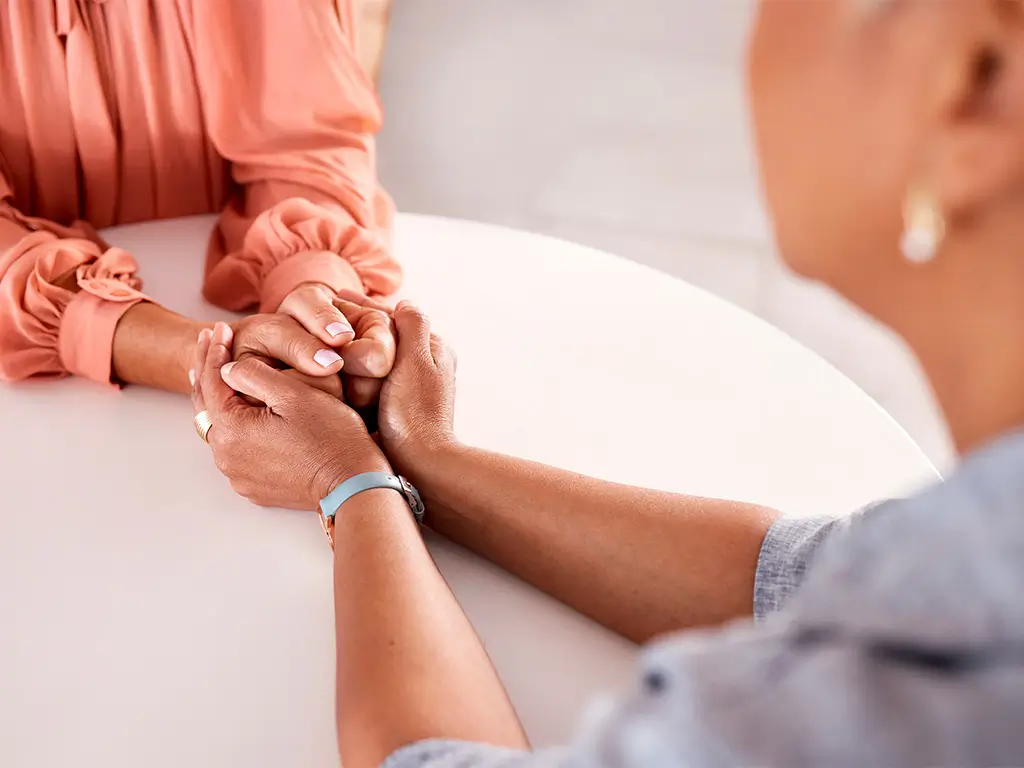
Fear after cancer treatment and fear of cancer recurrence are recognized experiences for many survivors, and people who find that these concerns significantly affect their lives should discuss them with an appropriate healthcare or mental-health professional.
Sarah does not assume these experiences have an energetic cause. Instead, her body-led framework becomes curious about the pattern itself.
What seems to activate it?
What does your body appear to respond to before you have consciously processed what is happening?
And what, if anything, still feels unresolved?
What Does Sarah Mean by a Hidden Pattern?
Sarah uses the term hidden patterns to describe physical, emotional, mental or energetic patterns that may continue operating beneath conscious awareness and creating interference, or “static,” within the system.
This does not mean every difficult emotion is a hidden pattern. Fear, anger, sadness, and uncertainty can all be understandable responses to cancer.
The distinction is more about what continues to repeat.
Someone may consciously know that today’s circumstances are different while noticing that a familiar response keeps returning. For example, the person may remain constantly on guard, struggle to imagine a future beyond illness, or find that certain appointments immediately bring them back to an earlier period of uncertainty.
Rather than deciding in advance what those responses mean, Sarah’s work is centered on listening.
In her framework, the body is not an obstacle to overcome. It becomes part of the conversation.
How Sarah Helps People Navigating Cancer
When Sarah works with someone who is navigating cancer or adjusting to life afterward, her role is not to diagnose cancer, change an oncology treatment plan, or promise a medical outcome.
Her energetic work is designed to complement appropriate medical care.
Through The Lascano Method™, Sarah uses a body-led energy medicine process to identify hidden patterns or energetic interference within the individual’s system.
Rather than assuming she already knows what needs to change or applying a predetermined protocol, she allows the individual’s system to guide the process toward what it is most ready to address.
For one person, what emerges may relate to persistent fear. Another may notice how strongly their life has become organized around remaining vigilant. Someone else may feel that they have made it through treatment physically but have difficulty imagining themselves outside the identity of being sick.
Sarah’s work identifies and shifts the interference her body-led process reveals, with the intention of supporting greater communication, regulation and coherence within the system.
Importantly, this does not mean hidden patterns caused the cancer, influence its medical progression, or determine treatment outcomes. Oncology and other qualified healthcare professionals remain responsible for cancer diagnosis and treatment.
Sarah’s contribution is an additional layer of support for people who are interested in exploring what they may still be carrying while navigating their health journey.
Navigating Cancer with Confidence — September 12
This is also why Sarah’s perspective belongs in the conversation at the Navigating Cancer with Confidence Summit.
Cancer care necessarily focuses on diagnosing and treating the disease itself. Sarah’s work adds another whole-person layer: what is happening within the system of the person living through cancer? What patterns may remain active beneath conscious awareness? What might the body still be responding to or communicating?
This is the perspective Sarah will bring to the Navigating Cancer with Confidence Summit on September 12, exploring what energy medicine can offer alongside appropriate medical and nutritional care.
Save Your Seat to join Sarah at the Navigating Cancer with Confidence Summit.
People recovering from a difficult health experience often hear versions of the same advice: stay positive, get back into a routine, focus on the future, or give yourself a new goal.
When Moving Forward Isn’t About Trying Harder
There may be value in some of those suggestions, but they can also miss something important.
Someone navigating cancer may already be trying extraordinarily hard.
They may be attending appointments, following treatment recommendations, changing daily habits, researching their options, managing side effects, and trying to remain emotionally available to the people around them.
Telling that person to work harder at “moving forward” can become another expectation to carry.
Sarah approaches the situation differently. Rather than immediately asking what you need to do next, she becomes curious about what may already be present.
The focus shifts from forcing movement to listening for information.
Static, Signal, and Body Communication
One way to understand Sarah’s perspective is through the distinction between static and signal, which she explores further in The Difference Between Static and Signal.
During a major health challenge, there can be an enormous amount of what Sarah describes as “static”: fear about the future, information from multiple sources, treatment decisions, changing physical sensations, memories of difficult moments, and the understandable desire to know whether everything will be okay.
Within Sarah’s framework, the signal is the information the body may be communicating beneath that noise.
Her work uses a body-led process to identify hidden patterns that may be contributing to the static and to shift the interference the system reveals. The intention is not to interpret every symptom as an energetic message or suggest that energetic interference explains cancer. Instead, Sarah uses this framework as an additional way of listening to the individual and exploring what may still feel unresolved alongside appropriate medical care.
Cancer Doesn’t Only Affect the Patient
The experience of cancer also extends to the people standing beside the person who is ill.
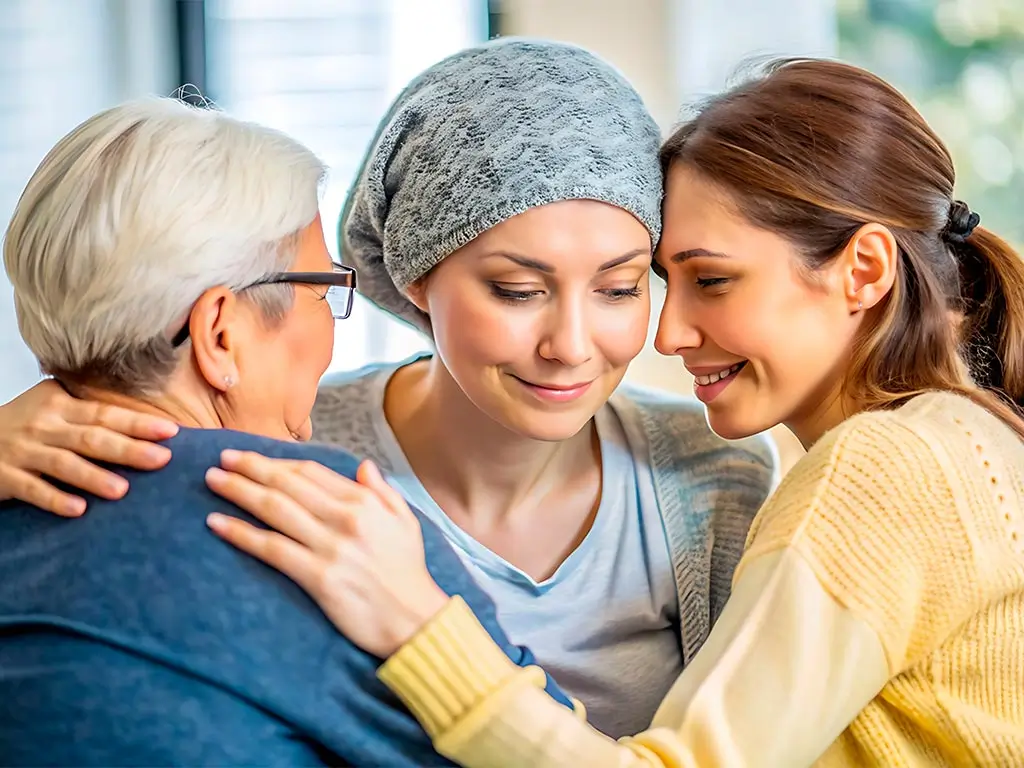
Partners, parents, children, friends, and other caregivers may spend months organizing their lives around appointments, treatment decisions, test results, and uncertainty. They may become so accustomed to being dependable that they stop noticing what the experience is asking of them.
Our resource on Supporting Someone with Cancer explores this side of the cancer journey in greater depth.
Sarah’s body-led approachcan also be applied here—not by assuming that caregivers have an energetic problem, but by becoming curious about what the experience may have activated and what may continue to feel unresolved after circumstances begin to change.
Whether Sarah is working with the person navigating cancer or someone supporting them, the process is individual. There is no predetermined pattern that everyone is expected to have.
What Does Coherence Mean During Cancer Recovery?
For someone navigating cancer, coherence should never be presented as thinking positively enough, eliminating fear, or becoming responsible for the course of the disease.
That is not what Sarah means by the term.
Within Sarah’s framework, coherence is about communication within the system. The body is continually receiving information, responding, adapting and regulating. Hidden patterns can create static or interference in that communication.
Through The Lascano Method™, Sarah identifies and shifts the interference her body-led process reveals, with the intention of supporting greater coherence and regulation.
This is not about thinking positively enough, eliminating fear or becoming responsible for the course of the disease. Difficult emotions and uncertainty can still be present. The question is whether every pattern the system has accumulated along the way still needs to remain active.
For people interested in exploring this perspective, Ray Zen Energy offers an additional energetic layer of support alongside the medical and professional care appropriate to their situation.
A Different Question for Life After Cancer Treatment
After a serious health experience, there is no benefit in criticizing yourself for not returning to “normal” quickly enough.
Recovery does not follow a universal timeline, and moving forward does not have to mean pretending the experience never happened.
Sarah’s perspective invites a different kind of curiosity.
Instead of asking only, Why am I not over this yet?, you might begin noticing what happens when fear returns, what situations seem to activate familiar responses, and what feels unresolved even when you understand the situation intellectually.
And within Sarah’s energetic framework, there is another question:
What might my body still be communicating?
That question doesn’t assume every symptom or emotion has an energetic explanation. It simply creates room to explore another dimension of the healing experience alongside appropriate medical, psychological and practical support.
If Sarah’s approach feels aligned with the support you’re seeking, book a consultation to explore how she may support you on your journey.
Frequently Asked Questions
Why do I still feel stuck after cancer treatment?
Cancer can affect physical health, emotions, routines, relationships, and a person’s sense of predictability or safety. Treatment side effects, fatigue, anxiety, depression, fear of recurrence, and other concerns may contribute, so persistent symptoms or distress should be discussed with appropriate healthcare professionals.
Is anxiety after cancer treatment normal?
Anxiety can occur during cancer survivorship, particularly around follow-up appointments, scans, physical symptoms, and concerns about recurrence. If anxiety is persistent or interfering with daily life, a healthcare or mental-health professional can help assess what support may be appropriate.
What is fear of cancer recurrence?
Fear of cancer recurrence refers to worry that cancer could return or progress. The intensity varies from person to person and may become particularly noticeable around scans, follow-up appointments, or new physical sensations.
How does Sarah help people navigating cancer?
Sarah offers complementary energy medicine support rather than cancer treatment. Through The Lascano Method™, she uses a body-led process to identify and shift hidden patterns or energetic interference within the individual’s system, with the intention of supporting greater communication, regulation and coherence alongside appropriate medical care.
Does Sarah believe hidden energetic patterns cause cancer?
No. Sarah’s energetic framework should not be interpreted as claiming that hidden patterns cause cancer, determine its progression, or replace established medical explanations. Her work provides an additional perspective alongside appropriate healthcare.
What does Sarah mean when she says the body communicates?
Within Sarah’s framework, body communication means approaching recurring responses with curiosity about what information they may contain rather than assuming the conscious mind already understands the entire experience. This is part of her energetic perspective and is not a method of diagnosing cancer or interpreting medical symptoms.
Can energetic work be used alongside cancer treatment?
Sarah positions her work as complementary support. Decisions about cancer treatment, medications, symptoms, scans, and other medical concerns should remain with qualified healthcare professionals.