
Quick Answer
Supporting someone with cancer can affect your sleep, concentration, energy, and emotional well-being, even when you are not the person receiving treatment. Caregivers often spend so much time responding to another person’s needs that their own stress becomes easy to overlook. Taking care of yourself, accepting support, and paying attention to persistent patterns of tension or vigilance can make caregiving more sustainable.
Introduction
When someone you love has cancer, your attention naturally turns toward them.
You learn appointment schedules, remember questions for doctors, keep track of medications, wait for test results, and try to remain reassuring when the future feels uncertain. Even when you are not physically providing care, part of your attention may remain focused on what could happen next.
This is one of the less visible realities of supporting someone with cancer. The person receiving treatment is going through the illness, but caregivers are living through an experience of their own.
That experience deserves attention, too.
Taking care of yourself does not mean stepping away from the person you love. It means recognizing that your energy and emotional capacity are not unlimited—and preserving them is part of being able to stay present for the long term.
The Stress Caregivers Carry That Others Don’t See
When people think about caring for someone with cancer, they often picture the practical responsibilities: transportation, appointments, meals, medication schedules, household tasks, and conversations with healthcare providers.
The emotional workload can be harder to see.
You may find yourself waiting anxiously for every scan, noticing subtle changes in your loved one’s mood or energy, or wondering whether you are doing enough. Even during relatively calm periods, it can be difficult to completely switch off.
This kind of vigilance can gradually become familiar. You may not realize how much energy it requires until you begin feeling depleted yourself.
Read more: How to support someone who’s sick
When Caregiver Stress Becomes Emotional Exhaustion
Some stress is an expected part of helping someone through a serious illness. But sustained caregiver stress can begin affecting your own well-being.
Research on cancer caregiving has associated prolonged caregiving demands with sleep problems, psychological distress, fatigue, and reduced quality of life.
You might notice that you’re more irritable than usual, struggling to concentrate, withdrawing from activities you once enjoyed, or feeling tired even when you’ve had an opportunity to rest.
Emotional exhaustion is also common among caregivers who feel they must remain strong for everyone else.
These experiences don’t mean you care too little or aren’t handling the situation well. They can be signs that the demands of caregiving are beginning to exceed the opportunities you have to recover.
Read more: What Is an Inner Signal Scan?
Why Caregiver Burnout Can Be Difficult to Recognize
Caregiver burnout does not always arrive as an obvious breaking point.
Sometimes it develops gradually.
You stop making plans because something might come up. You feel guilty taking time for yourself. You automatically say you’re fine when someone asks how you’re doing. Your own needs keep moving further down the list because someone else’s needs seem more urgent.
Eventually, living in that pattern can feel normal.
One useful question is not simply, “Can I keep doing this?”
It is, “What is this costing me to keep doing?”
Recognizing your own limits does not diminish your commitment to the person you love. It gives you an opportunity to support them without disappearing from your own life.
Taking Care of Yourself Is Part of Caregiving
Self-care during cancer caregiving does not need to mean elaborate routines or extended time away.
Often, the most useful changes are practical: letting someone else handle an appointment, protecting time for sleep, talking honestly with someone you trust, returning to an activity that belongs to you, or accepting help without feeling obligated to repay it immediately.
You may also benefit from professional mental health support, caregiver groups, or resources offered through your loved one’s cancer care team.
The goal is not to become unaffected by what is happening. That would be unrealistic.
The goal is to create enough support around yourself that you are not carrying the entire experience alone.
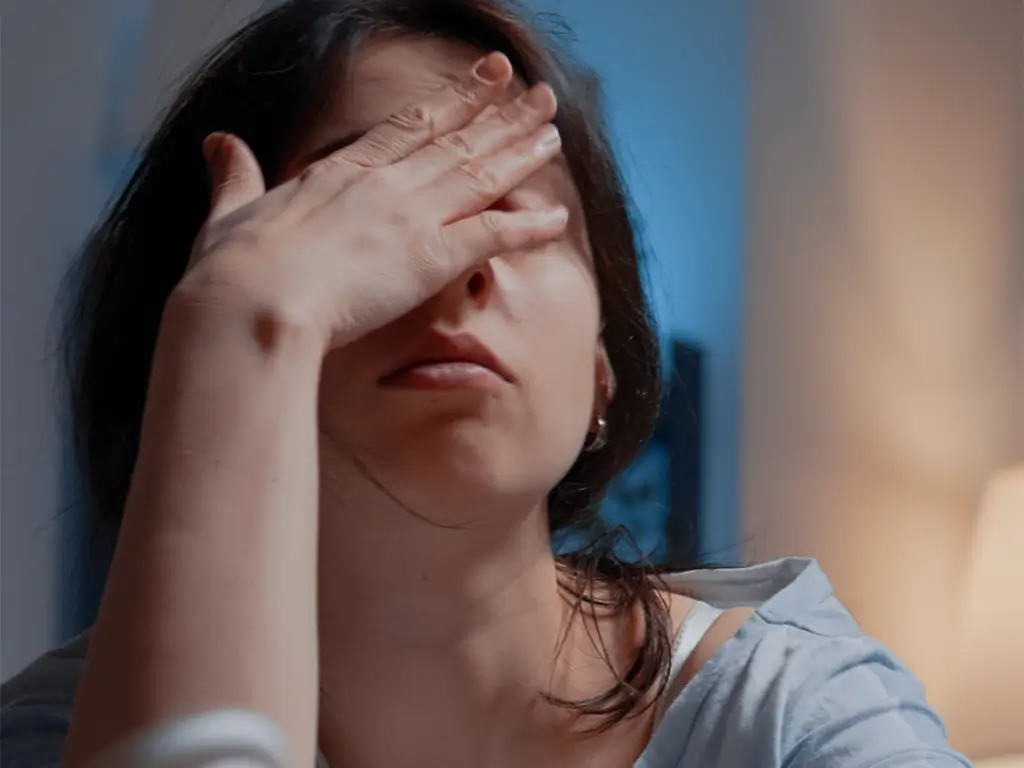
What If Rest Doesn’t Fully Resolve the Stress?
Sometimes caregivers make these changes and still notice something lingering.
The appointment is over, but their body remains tense.
The scan brings reassuring news, but they cannot stop anticipating the next one.
Someone else takes over for the afternoon, yet they spend the entire time checking their phone.
Experiences like these can have many explanations, and persistent physical or psychological symptoms deserve appropriate professional evaluation. They can also prompt a more personal question: What am I still carrying from this experience?
This is where Sarah’s perspective adds another layer to the conversation.
Sarah’s Perspective: Exploring the Energetic Layer
Sarah approaches persistent patterns of stress through what she describes as an energetic framework.
In her work at Ray Zen Energy, she explores whether experiences such as prolonged fear, vigilance, or the perceived responsibility to remain strong may correspond with hidden energetic patterns that continue to feel active even when circumstances change.
Within Sarah’s framework, energetic clearing is about identifying these patterns and exploring what may be interfering with a person’s sense of coherence. Rather than deciding intellectually what needs to change, her approach emphasizes allowing the body to provide information about what may be blocking progress.
This is RayZen’s perspective on energetic work; it should not be confused with an established medical explanation for caregiver stress, nor is it intended to diagnose or treat cancer or replace medical or psychological care.
For caregivers who already have practical and professional support in place but feel there is another dimension they want to explore, it can offer an additional way of looking at their experience.
Caring Without Carrying Everything
There is an important distinction between being present for someone and feeling responsible for holding everything together.
You can accompany someone to an appointment without carrying every possible outcome home with you. You can acknowledge your fear without allowing vigilance to occupy every quiet moment. You can receive support without taking anything away from the person who is sick.
When You Need Another Layer of Support
You do not need to wait for complete exhaustion before seeking help.
Start with the kind of support you need most. That may mean asking family members to share responsibilities, speaking with your healthcare team about caregiver resources, working with a mental health professional, or simply admitting to someone you trust that this has been difficult for you, too.
If you’re specifically interested in exploring Sarah’s energetic perspective, you can Contact us to learn more about her approach.
If that framework resonates with you and you would like to explore what you may be carrying on an individual level, you can also Book a Session.
Conclusion
When someone you love has cancer, it is natural for much of your attention to go toward them. But your own experience does not become irrelevant simply because someone else needs care.
Caregiver stress can accumulate quietly, particularly when fear, responsibility, and uncertainty become part of everyday life. Rest, boundaries, practical help, and emotional support all matter.
For those who are drawn to Sarah’s work, exploring the energetic layer can be an additional—not alternative—form of support.
You can care deeply for someone without asking yourself to carry everything.
FAQ
How can I support someone with cancer without burning out?
Share responsibilities when possible, protect time for recovery, maintain connections outside caregiving, and seek emotional or professional support before exhaustion becomes overwhelming.
What are the signs of caregiver burnout?
Common signs include persistent fatigue, sleep problems, irritability, difficulty concentrating, emotional exhaustion, withdrawal from normal activities, and feeling unable to recover during time away from caregiving.
Why can’t I relax even when someone else is caring for my loved one?
Prolonged uncertainty can make it difficult to switch out of a state of vigilance immediately. If this persists or significantly affects daily life, consider discussing it with an appropriate healthcare or mental health professional.
What does Sarah mean by energetic patterns?
Within Sarah’s framework, energetic patterns describe forms of interference she believes may remain active beneath conscious awareness and affect a person’s sense of coherence. This is an energetic perspective rather than an established medical explanation for caregiver stress.
Is energetic clearing a replacement for counseling or medical care?
No. RayZen presents energetic clearing as an additional layer of support. It is not intended to diagnose or treat cancer, replace medical treatment, or substitute for appropriate mental health care.
References
- American Cancer Society — Caregiving for Someone With Cancer
- National Cancer Institute — Support for Cancer Caregivers
Author
Sarah | Ray Zen Energy
Sarah works with clients through an energetic framework focused on identifying hidden patterns and energetic interference that, in her perspective, may affect coherence. Her work is designed to complement, not replace, appropriate conventional, functional, integrative, or psychological care.
Last updated: August 2026